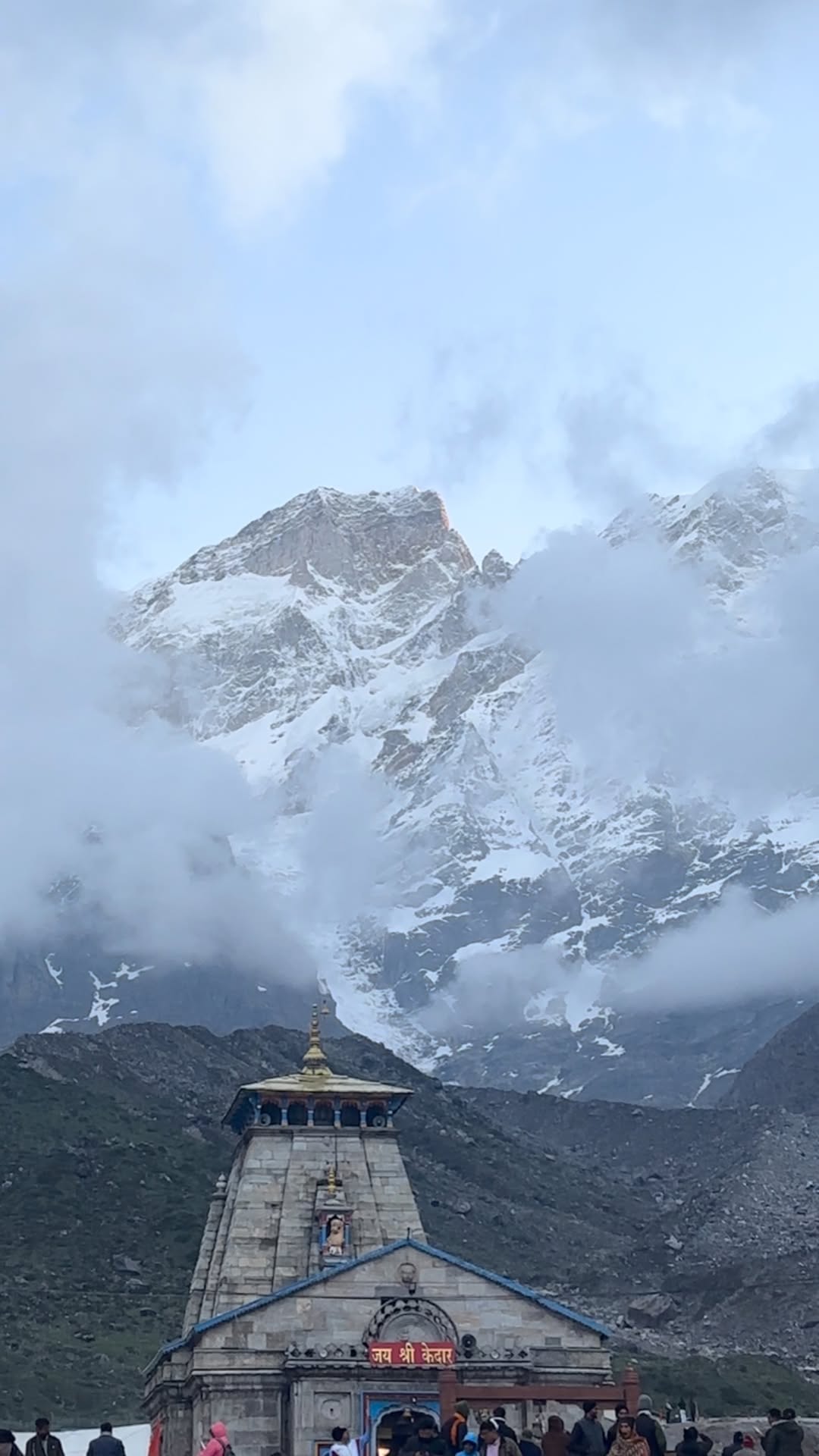
The helicopter is the question we are asked most, and lately it carries a worried edge. There has been a run of chopper incidents on the Char Dham route, several within a single month of one season, and the news travels faster than any of them fly. So let us be straight about it. The helicopter is a real convenience and a real responsibility, and the two need to be weighed together rather than wished away.
Here is how we think about it, and how we advise every guest who asks.
What the helicopter actually does
The Kedarnath shuttle runs from three helipads in the valley, Phata, Sersi and Guptkashi, and lands you near the temple in a matter of minutes. Against a trek of 16 to 18 kilometres and seven to ten hours of climbing to 3,583 metres, that is a transformation. For an elderly parent, for anyone with a knee or a heart that cannot take the climb, or for a family with only a day to spare, it is sometimes the difference between darshan and no darshan at all.
Seats are booked through the official IRCTC heliyatra portal, they sell out early in the season, and prices move with demand. That part is straightforward.
Why the weather, not the price, is the real variable
A helicopter in the high Himalaya does not fly to your timetable. It flies when the valley is clear, and Himalayan weather closes in without much warning, especially after midday. Flights are cancelled, delayed and turned back routinely, and that is the system working correctly rather than failing. The danger comes when anyone, pilot, operator or impatient passenger, pushes to fly in marginal conditions.
The incidents that make the news almost always trace back to weather and to the pressure to fly through it. Following them, the aviation regulator has tightened oversight of the Char Dham operators, with closer scrutiny of flight conditions and operator records. That is welcome, and it points to the single rule that keeps you safe: never treat a cancelled flight as a problem to be solved. Treat it as the mountain saying not today.
How to fly sensibly
A few principles travel with every guest we put on a helicopter.
Build slack into the plan. If the helicopter is your route up, keep a buffer day so a cancellation costs you patience rather than the whole darshan. The pilgrims who get into trouble are the ones with a flight out the same evening and no room to wait.
Fly early. Morning air in the valley is calmer and clearer. The first slots of the day are cancelled least often.
Keep the trek in reserve. We rarely make the helicopter the only way in. A pony up and a helicopter down, or the reverse, means a grounded flight never strands you.
Choose the operator, not the bargain. Registered operators with clean records and proper weather discipline are worth more than a cheaper seat. This is the one corner you do not cut.
Our own position
We arrange the helicopter often, because for the right pilgrim it is the kindest way to reach the temple. We also cancel it without hesitation when the sky says so, and we never let a guest pressure a pilot into bad air. The temple has stood for centuries. It will be there tomorrow, and so should you.
If you would rather have all of this handled for you, that is what we do. Tell Ritesh where your heart wishes to go.
WhatsApp Ritesh